



China successfully launches test satellite for satellite internet technology
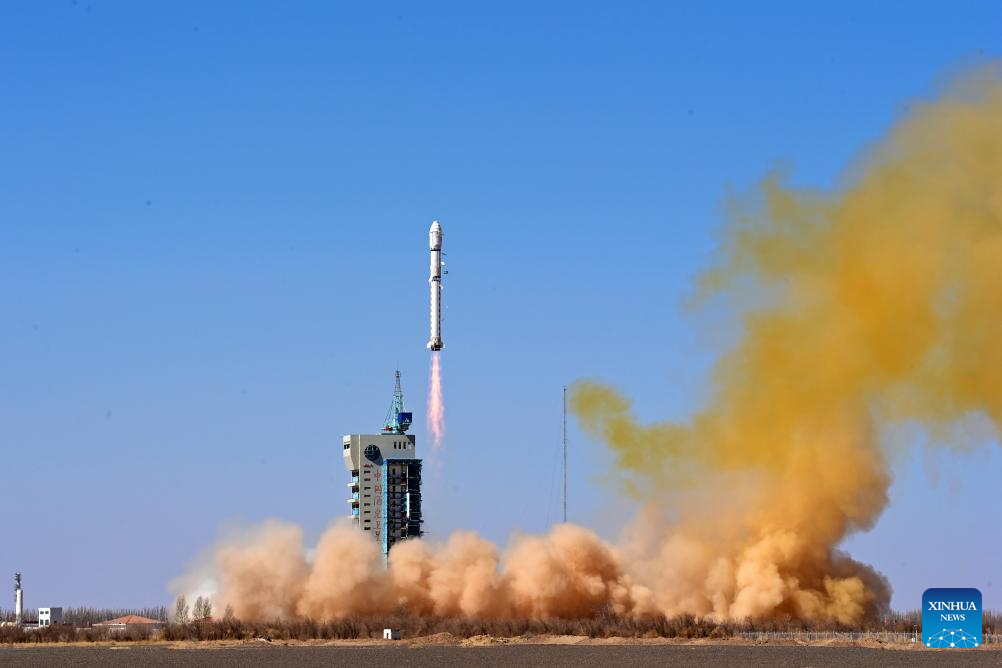
A Long March-2D carrier rocket carrying a test satellite for satellite internet technology blasts off from the Jiuquan Satellite Launch Center in northwest China, April 1, 2025. The satellite was launched at 12:00 p.m. (Beijing Time) and entered the planned orbit successfully. Test satellites for satellite internet technology are primarily used to conduct technical verification and experiments, including mobile-to-satellite broadband connections and the integration of space-ground networks. (Photo by Wang Jiangbo/Xinhua)
JIUQUAN, April 1 (Xinhua) -- China successfully sent a test satellite for satellite internet technology into space from the Jiuquan Satellite Launch Center, located in the country's northwest, on Tuesday.
The satellite was launched at 12:00 p.m. (Beijing Time) by a Long March-2D carrier rocket and entered the planned orbit successfully.
Test satellites for satellite internet technology are primarily used to conduct technical verification and experiments, including mobile-to-satellite broadband connections and the integration of space-ground networks.
The launch marks the 567th mission for the Long March series carrier rockets.
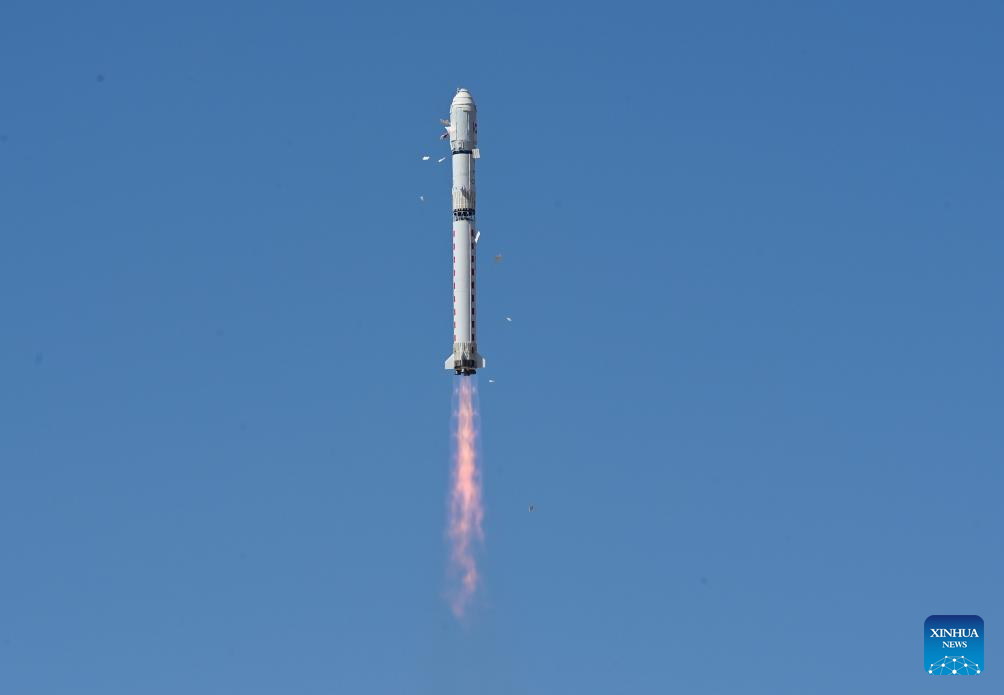
A Long March-2D carrier rocket carrying a test satellite for satellite internet technology blasts off from the Jiuquan Satellite Launch Center in northwest China, April 1, 2025. The satellite was launched at 12:00 p.m. (Beijing Time) and entered the planned orbit successfully. Test satellites for satellite internet technology are primarily used to conduct technical verification and experiments, including mobile-to-satellite broadband connections and the integration of space-ground networks. (Photo by Wang Jiangbo/Xinhua)
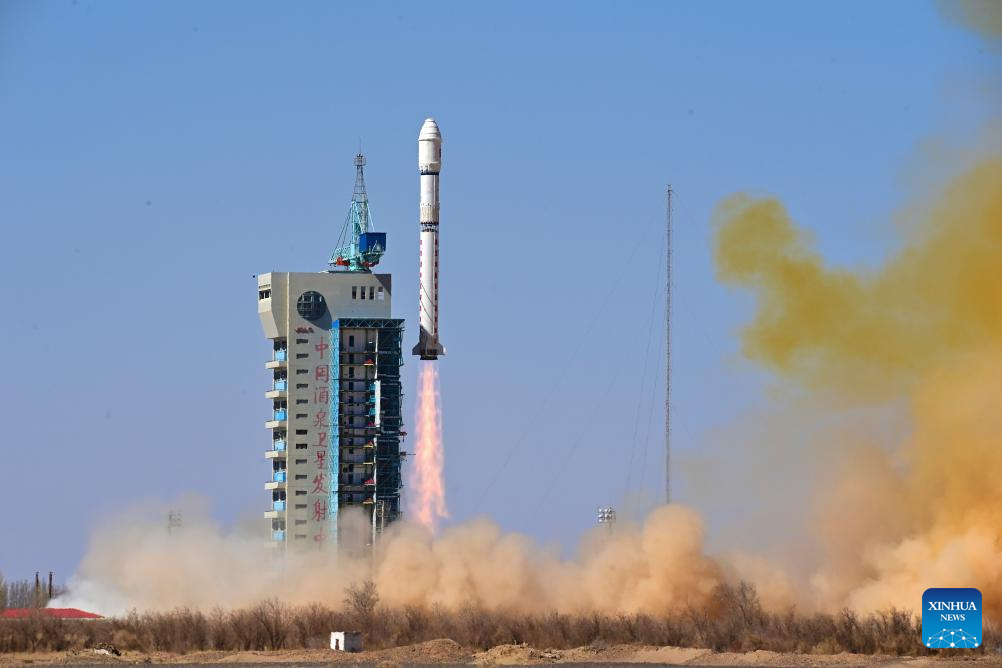
A Long March-2D carrier rocket carrying a test satellite for satellite internet technology blasts off from the Jiuquan Satellite Launch Center in northwest China, April 1, 2025. The satellite was launched at 12:00 p.m. (Beijing Time) and entered the planned orbit successfully. Test satellites for satellite internet technology are primarily used to conduct technical verification and experiments, including mobile-to-satellite broadband connections and the integration of space-ground networks. (Photo by Wang Jiangbo/Xinhua)
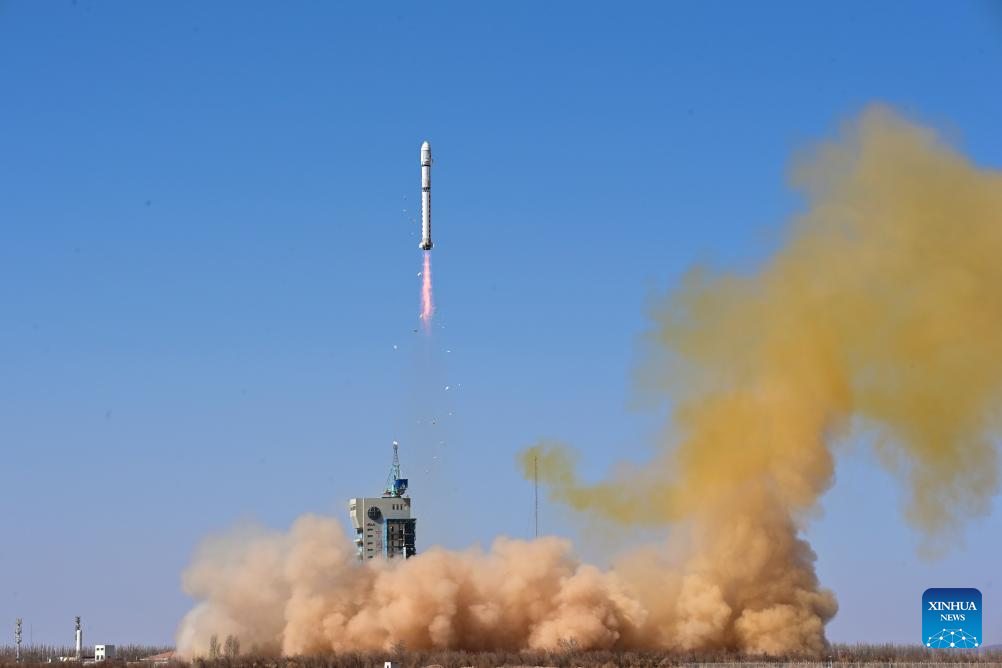
A Long March-2D carrier rocket carrying a test satellite for satellite internet technology blasts off from the Jiuquan Satellite Launch Center in northwest China, April 1, 2025. The satellite was launched at 12:00 p.m. (Beijing Time) and entered the planned orbit successfully. Test satellites for satellite internet technology are primarily used to conduct technical verification and experiments, including mobile-to-satellite broadband connections and the integration of space-ground networks. (Photo by Wang Jiangbo/Xinhua)
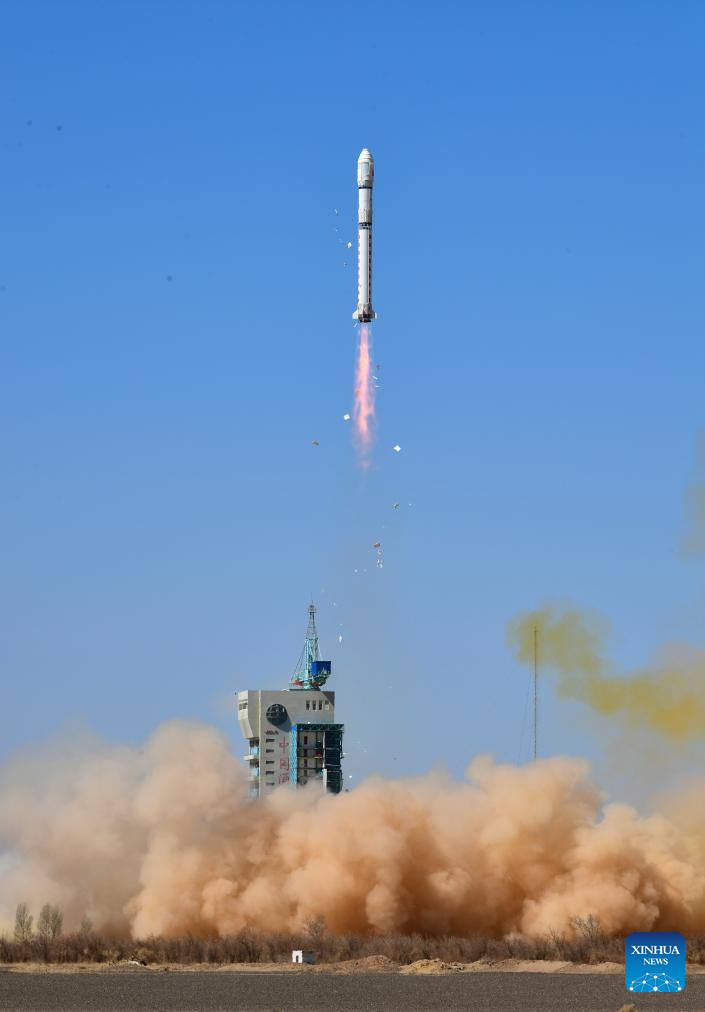
A Long March-2D carrier rocket carrying a test satellite for satellite internet technology blasts off from the Jiuquan Satellite Launch Center in northwest China, April 1, 2025. The satellite was launched at 12:00 p.m. (Beijing Time) and entered the planned orbit successfully. Test satellites for satellite internet technology are primarily used to conduct technical verification and experiments, including mobile-to-satellite broadband connections and the integration of space-ground networks. (Photo by Wang Jiangbo/Xinhua)
Photos




Related Stories
Copyright © 2025 People's Daily Online. All Rights Reserved.
 久久99热播精品免费