



China launches new remote-sensing satellites
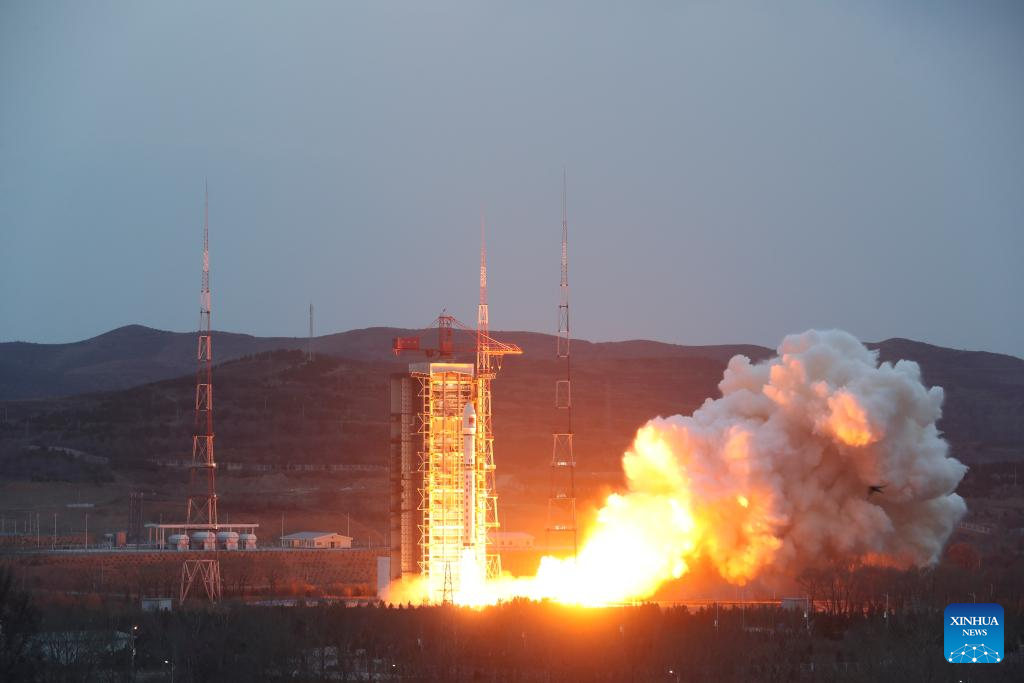
A Long March-2D rocket carrying satellites of the PIESAT-1 constellation blasts off from the Taiyuan Satellite Launch Center in north China's Shanxi Province, March 30, 2023. (Photo by Zheng Bin/Xinhua)
TAIYUAN, March 30 (Xinhua) -- China launched a Long March-2D carrier rocket on Thursday evening to place new remote-sensing satellites in space.
The satellites of the PIESAT-1 constellation were lifted at 6:50 p.m. (Beijing Time) on Thursday from the Taiyuan Satellite Launch Center in northern China's Shanxi Province, and then entered the preset orbit.
They will mainly provide commercial remote-sensing data services.
This mission was the 469th flight of the Long March carrier rockets.
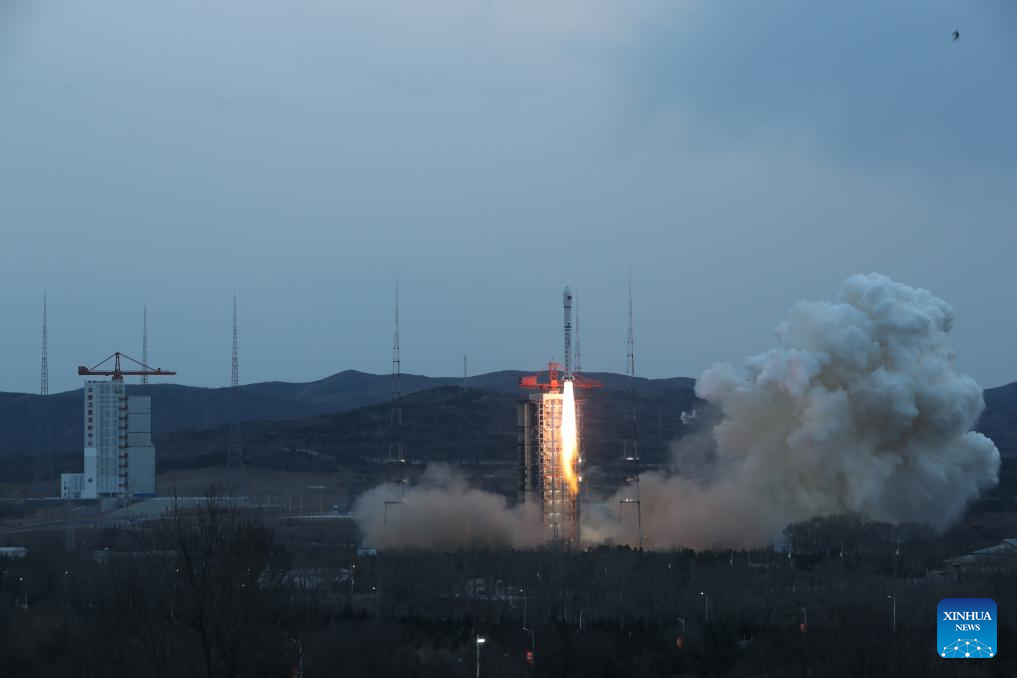
A Long March-2D rocket carrying satellites of the PIESAT-1 constellation blasts off from the Taiyuan Satellite Launch Center in north China's Shanxi Province, March 30, 2023. (Photo by Zheng Bin/Xinhua)
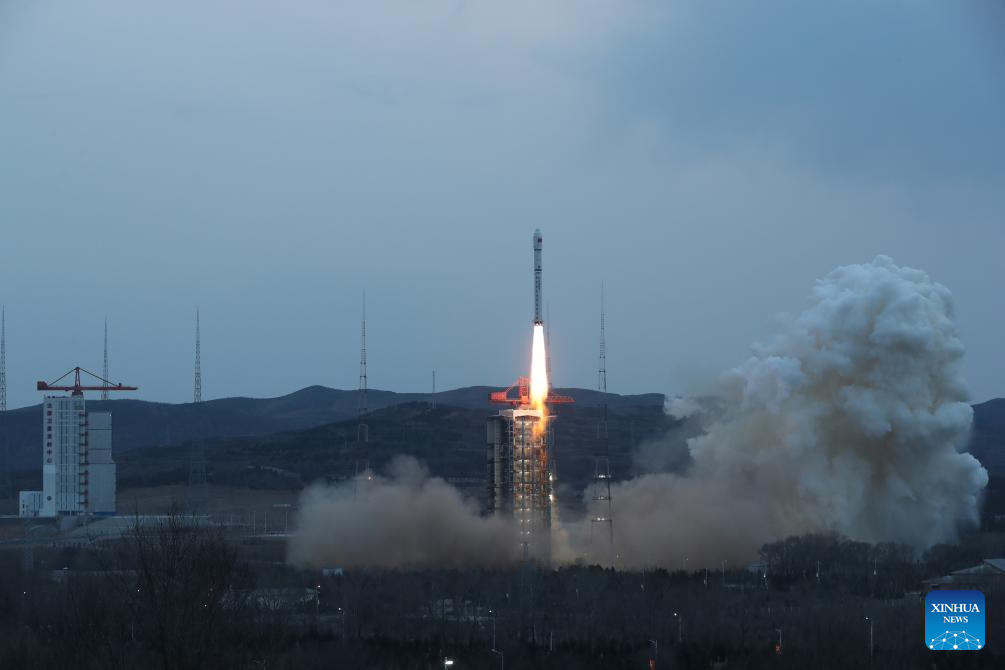
A Long March-2D rocket carrying satellites of the PIESAT-1 constellation blasts off from the Taiyuan Satellite Launch Center in north China's Shanxi Province, March 30, 2023. (Photo by Zheng Bin/Xinhua)
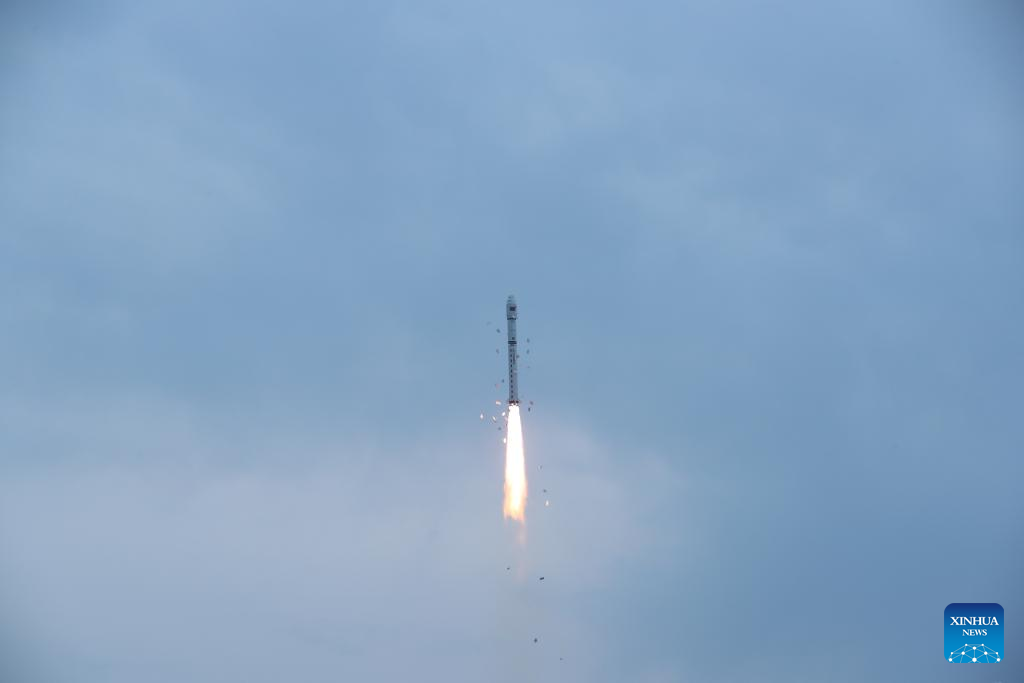
A Long March-2D rocket carrying satellites of the PIESAT-1 constellation blasts off from the Taiyuan Satellite Launch Center in north China's Shanxi Province, March 30, 2023. (Photo by Zheng Bin/Xinhua)
Photos




Related Stories
- Pictures taken by China's hyperspectral remote-sensing satellite released
- Interview: China's cutting-edge meteorological technology is benefiting world, says WMO official
- China launches four meteorological satellites
- China to launch Einstein Probe to observe changing universe
- China launches new Earth observation satellite
Copyright © 2023 People's Daily Online. All Rights Reserved.
 久久99热播精品免费